

How to Sell Washington Land Privately
This guide gives Washington landowners a clear way to organize records, compare options, and ask better questions before signing.
Start with a clear purpose
A private land transaction can be orderly when the owner prepares information and uses written steps. This guide explains a private-sale preparation plan in plain language. It is designed for owners of vacant lots, rural acreage, inherited property, and land with questions that do not fit a standard home sale.
Use the steps below to prepare for a conversation, not to replace professional advice. Washington counties, title records, access arrangements, tax notices, and property conditions can change what a sensible sale path looks like.
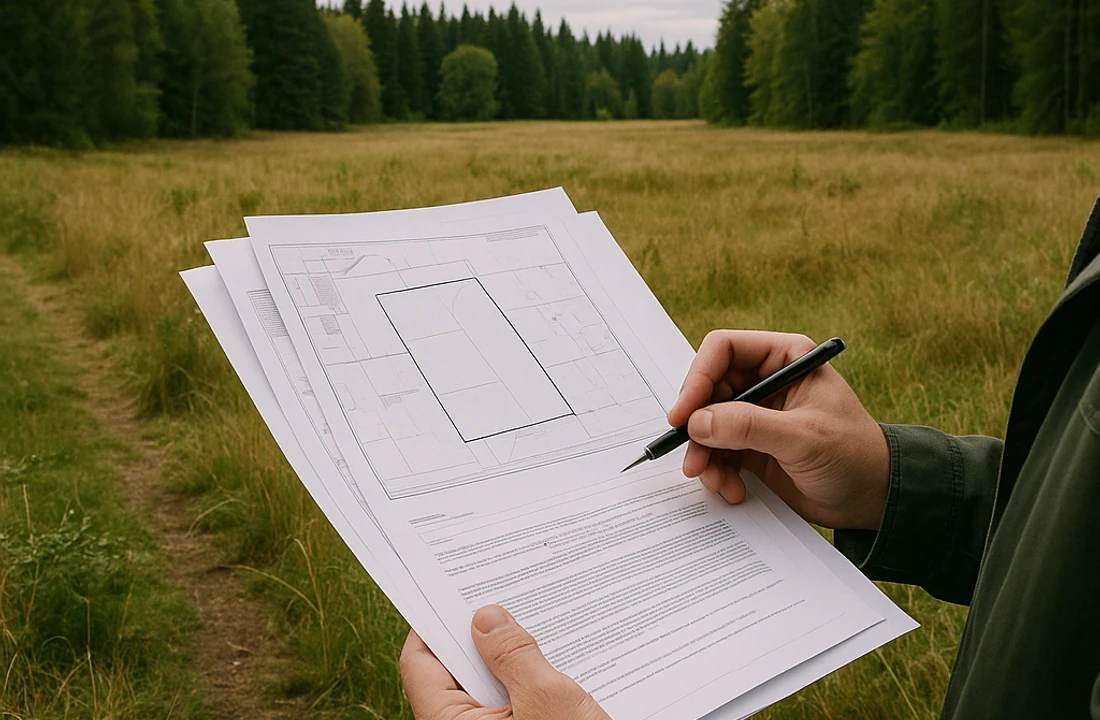
Begin by organizing: a current parcel map
Rather than trying to solve every question at once, collect a current parcel map. This gives you a factual starting point for conversations with a buyer, title company, attorney, tax professional, or other advisor. A document can reveal a useful next question even when it does not provide a complete answer.
Make a short written list of the questions this record raises. That list is more useful than a broad claim that the parcel is ready or not ready to transfer, because it lets you seek a direct answer from the person responsible for that part of the transaction.
Write down the source for each item and the date you received it. A parcel file is easier to review when a reader can tell whether a fact came from the county, a recorded document, a neighbor, or an older personal note.
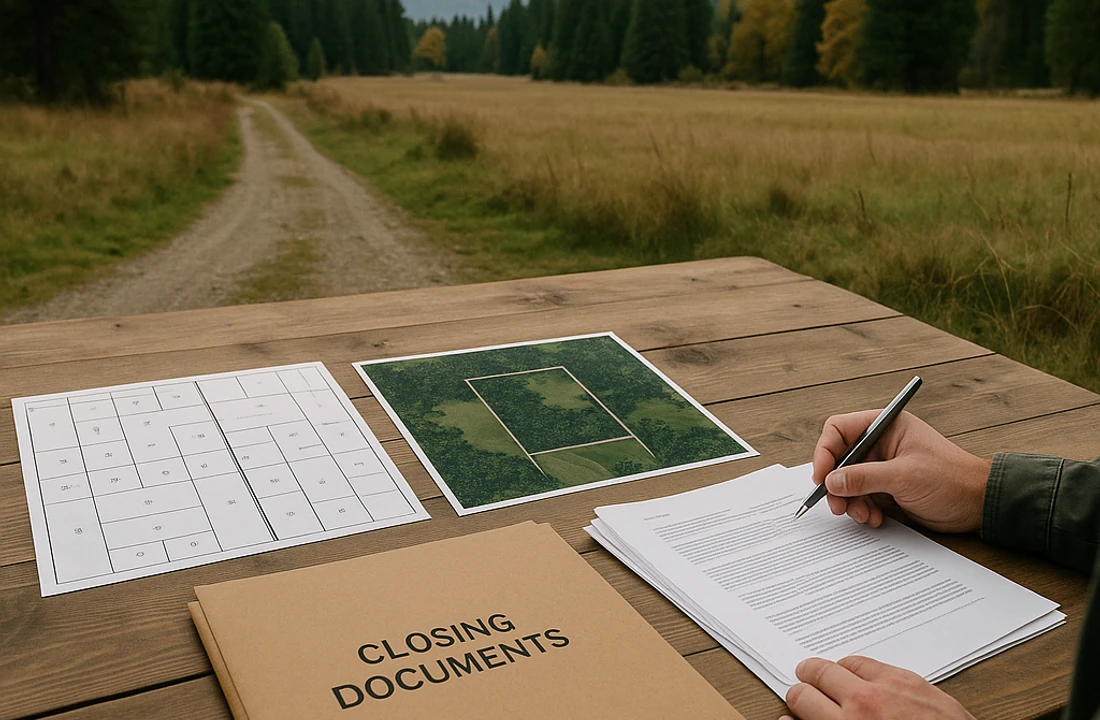
Next, confirm: access details and easements
For a private-sale preparation plan, the detail to address is access details and easements. Put it in a simple folder or note with the source and date. That discipline reduces conflicting versions of the story and helps you notice when a buyer’s request is reasonable, when it needs clarification, or when it should be reviewed by a qualified professional.
If another party gives you a different interpretation, ask what document or county source supports it. A respectful request for support can prevent an assumption from becoming a costly last-minute problem.
Use one current version of the information rather than passing along several conflicting copies. If an older document does not match a newer county record, flag the difference instead of deciding which version is correct on your own.
Then, describe: tax and assessment status
Washington parcels are not interchangeable, so tax and assessment status deserves more than a checkbox. Explain what you know, distinguish it from what you have not verified, and avoid filling gaps with guesses. An informed seller can compare options without claiming that every site condition or closing issue has already been resolved.
Keep the property story consistent across conversations. Accurate context helps a direct buyer assess the parcel, while careful wording protects you from promising a condition that has not been independently verified.
A plain explanation is better than a polished assumption. Identify what you observed personally, what a record says, and what still needs verification so the next conversation stays anchored to usable facts.
After that, compare: recorded owner names
When reviewing recorded owner names, focus on both timing and responsibility. Ask who will obtain records, who pays identified closing costs, how contingencies work, and what happens if a question cannot be resolved. Good written terms make the process easier to follow for everyone involved.
The point is not to create paperwork for its own sake. It is to make the sale decision easier to audit later, especially when family members, co-owners, lenders, or public records are part of the picture.
Ask for the proposed sequence in writing, including the point at which an inspection, records question, or financing issue could change the plan. That comparison gives you more than a headline price to evaluate.
Before signing, review: known site limitations
A practical way to handle known site limitations is to keep a copy, note the relevant county or provider, and raise it early. Surprises are harder to manage near closing. Early disclosure does not mean surrendering leverage; it means giving a direct transaction a realistic chance to proceed without confusion.
Give yourself time to read changes to a proposed agreement. Written details about this issue should align with the price, contingencies, and date you are actually considering, not with an earlier informal conversation.
Keep a dated copy of every material update. That habit makes it easier to notice whether an offer, title request, or closing estimate has changed and to request an explanation before you respond.
At closing, verify: your price and timing boundaries
Use your price and timing boundaries to test whether a proposed path actually fits your situation. If the answer is unclear, pause and ask for an explanation in writing. A reliable process leaves room for due diligence and never requires you to pretend an unknown detail is settled.
A good next step should remain proportionate to the property. Gather the evidence that matters, ask for an explanation when a request is unclear, and avoid paying for work that does not serve your chosen sale path.
If the property requires outside expertise, identify the narrow question first. A surveyor, attorney, tax professional, environmental specialist, or title officer can then address a specific issue without turning a preliminary review into a vague checklist.
Put the decision in a useful order
A private land transaction can be orderly when the owner prepares information and uses written steps. For sell Washington land privately, start with records, identify the decision makers, compare written terms, and preserve time to read documents. A direct Washington buyer may be one option, but the right choice depends on your parcel, your obligations, and the certainty you need.
A straightforward direct closing for this topic may occur in as little as 2 weeks. That timing is not automatic. Estate authority, title work, taxes, access, and document availability can change the schedule. Ask for a realistic outline before you rely on a date.
Keep a private sale documented from the start
Begin the file by putting a current parcel map, access details and easements, and tax and assessment status in one place. That file does not need to be perfect, but it should show where each fact came from and which detail still needs confirmation. A Washington landowner can then discuss sell Washington land privately without relying on memory, a tax notice, or a broad online estimate as the whole story.
The purpose of this step is to make the first review useful. If the parcel has access, title, tax, estate, utility, wetland, or condition questions, name them plainly. A direct buyer, title company, attorney, tax professional, surveyor, or county office can only answer the right question when the owner has separated documents from assumptions.
Screen interested buyers before sharing too much
The middle of the decision is where many land sales become confusing. Compare recorded owner names, known site limitations, and your price and timing boundaries against the written offer terms. Ask who pays ordinary closing costs, who chooses the closing provider, whether an inspection period exists, and what must happen if a record problem appears before closing.
Private does not mean informal paperwork is enough. Also, avoid claims about buildability you have not verified. Keep every material answer in writing so a later revision can be compared to the version you first reviewed. That habit protects the seller's time and gives family members or co-owners a clearer record of why one sale path was chosen over another.
Use a closing provider instead of message-based promises
Before you accept any proposal, look beyond the headline number. A listing, private buyer, neighbor inquiry, and direct written offer can each make sense in different circumstances. The better question is which path gives you enough information about price, timing, contingencies, title work, taxes, and the final net result to make a calm decision.
Use documented closing steps instead of message promises. This guide is educational, not legal, tax, surveying, environmental, or appraisal advice. Use it to prepare better questions, then get qualified help for the issues that depend on the exact parcel. Selling land should end with a documented choice, not pressure created by an unclear deadline.
Protect privacy while still giving useful parcel facts
After the main records are organized, keep a short note explaining why the owner is considering a sale now. That note can include carrying costs, family timing, distance from the property, uncertainty about use, or a preference for a simpler closing. It gives the decision context without turning private details into public marketing copy.
Use the note to compare any proposal against the owner's real goal. If speed matters, check whether the buyer has removed unnecessary contingencies. If certainty matters, ask how title, taxes, access, and signing will be handled. If net proceeds matter most, compare fees, closing costs, repair requests, and the risk of a delayed or failed transaction.
Compare the real net result before choosing
The useful comparison for how to sell washington land privately is not a generic promise about speed. It is a written explanation of privacy, buyer screening, and documented closing based on the owner's actual parcel file. Start with a current parcel map and access details and easements, then ask how those details affect price, seller costs, and the closing sequence. A direct offer, private buyer, or listing can each look attractive until taxes, title work, inspection time, and responsibility for unresolved records are placed side by side.
If you are comparing options for sell Washington land privately, ask for the same basic answers from each path: who pays ordinary closing costs, who orders title work, how long due diligence lasts, who handles payoffs, and what happens if tax and assessment status changes the plan. That makes the comparison practical instead of emotional.
Private does not mean informal paperwork is enough. A seller can still move quickly, but speed should come from clean records and clear terms rather than pressure. Keep a dated copy of the offer, any revision, and the reason for each changed term.
Make the open questions visible
Most Washington land decisions have at least one unknown detail. It may be recorded owner names, known site limitations, or your price and timing boundaries. Name the unknown item directly and ask who is responsible for confirming it. A buyer who can explain the next step is usually easier to evaluate than one who dismisses every concern as routine.
Avoid claims about buildability you have not verified. If an advisor, title officer, county office, surveyor, or tax professional is needed, define the exact question before spending time or money. Clear questions lead to useful answers. Vague concern lists often create delay without improving the seller's decision.
Written notes also help when more than one person has a say. Co-owners, heirs, spouses, trustees, or business partners can review the same facts instead of relying on separate conversations. That shared record reduces confusion near signing.
Keep control through the final signature
Before accepting a proposal, read the final version against the parcel file you built. Confirm the purchase price, closing date, inspection rights, seller charges, title-company role, and any condition that lets either side extend or cancel. If a term does not match what you understood, ask for the correction before signing.
Use documented closing steps instead of message promises. A clear Washington land sale should leave the owner knowing what happens next, what documents are needed, and when money is expected to transfer. If the property can close in as little as 2 weeks, the written timeline should still explain what title and signing steps must happen first.
The strongest decision is the one you can explain later: which facts were verified, which risks remained, why the chosen path fit your timing, and how the final net result compared with keeping the land or trying another route. If a deadline is involved, write the deadline and the required next document in the same notes.
Keep a private sale documented
A private Washington land sale still needs records, written terms, and a reliable closing process. Gather the parcel map, tax statement, access notes, owner names, legal description, and known site limitations before sharing too much information with a prospective buyer.
Private does not mean casual. Use a purchase agreement and a closing provider so payment, deed recording, title questions, and payoff items are handled in a traceable way.
Screen the buyer and protect the timeline
Ask whether the buyer has cash, what inspection period they need, who pays costs, and whether any approvals must happen before closing. Avoid promises about buildability, utilities, or access unless a current record supports the statement.
Want to Compare a Direct Washington Offer?
Share parcel details and review written terms on your own timeline.